Savik Kinger

I spend a lot of time thinking about brains, learning, and the implications of technology. Sometimes those thoughts become research, projects, and writing.

About me

I’m a PhD student in NeuroAI at Yale, working at the intersection of causal inference, manifold learning, and theoretical neuroscience. My research asks: how can we use generative models of neural data to uncover the mechanisms that guide the brain?

I studied computer science and pure mathematics at Columbia University, where I did research on manifold inference.

Research

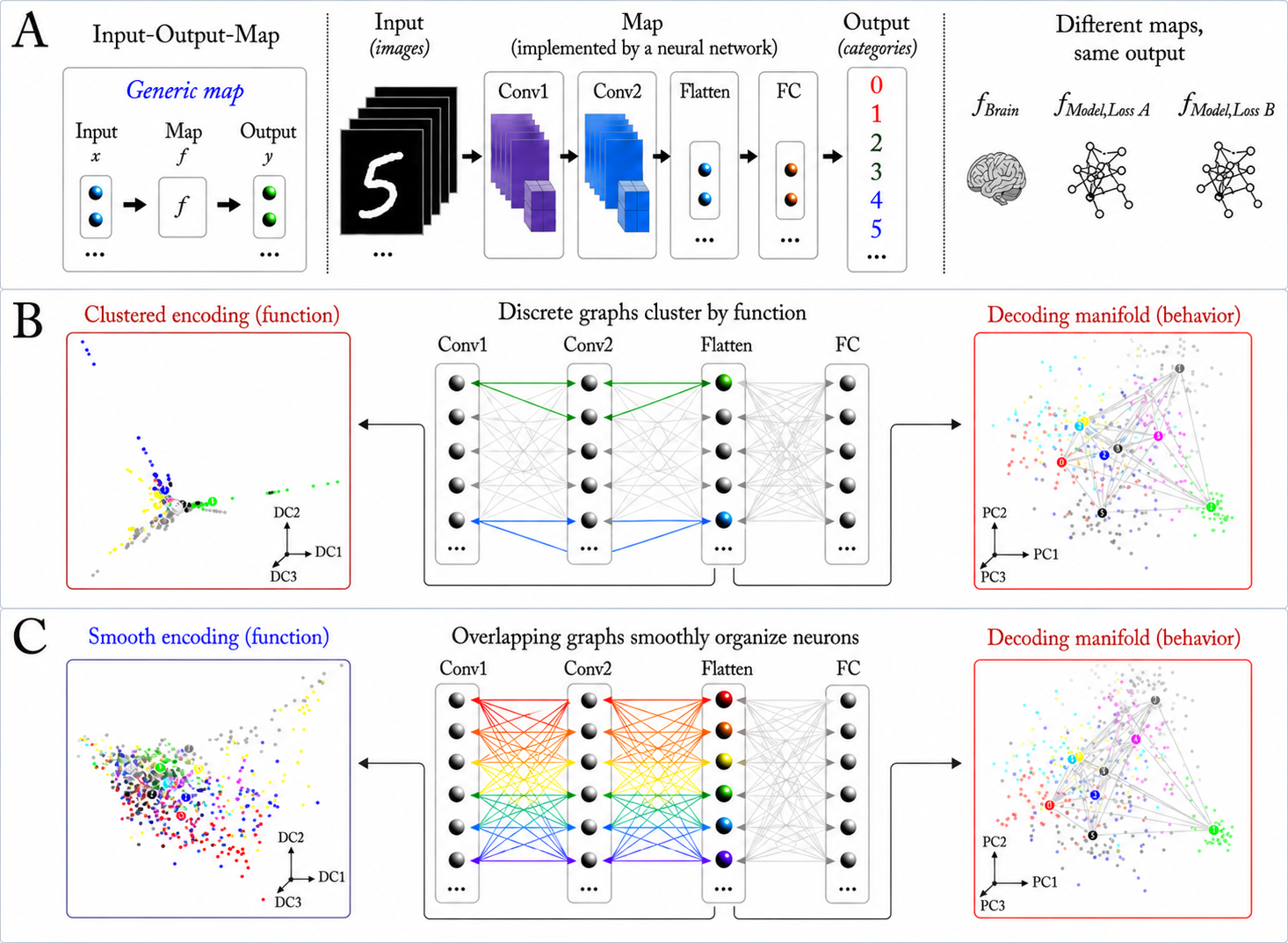
I use mathematics and computational tools to study brains and artificial systems. I’m interested in how they learn and change over time, and what their structure can tell us about how they work.

How ‘Neural’ is a Neural Foundation Model?

J. Bertram, L. Dyballa, T. A. Keller, S. Kinger, S. W. Zucker

2026 · arXiv preprint

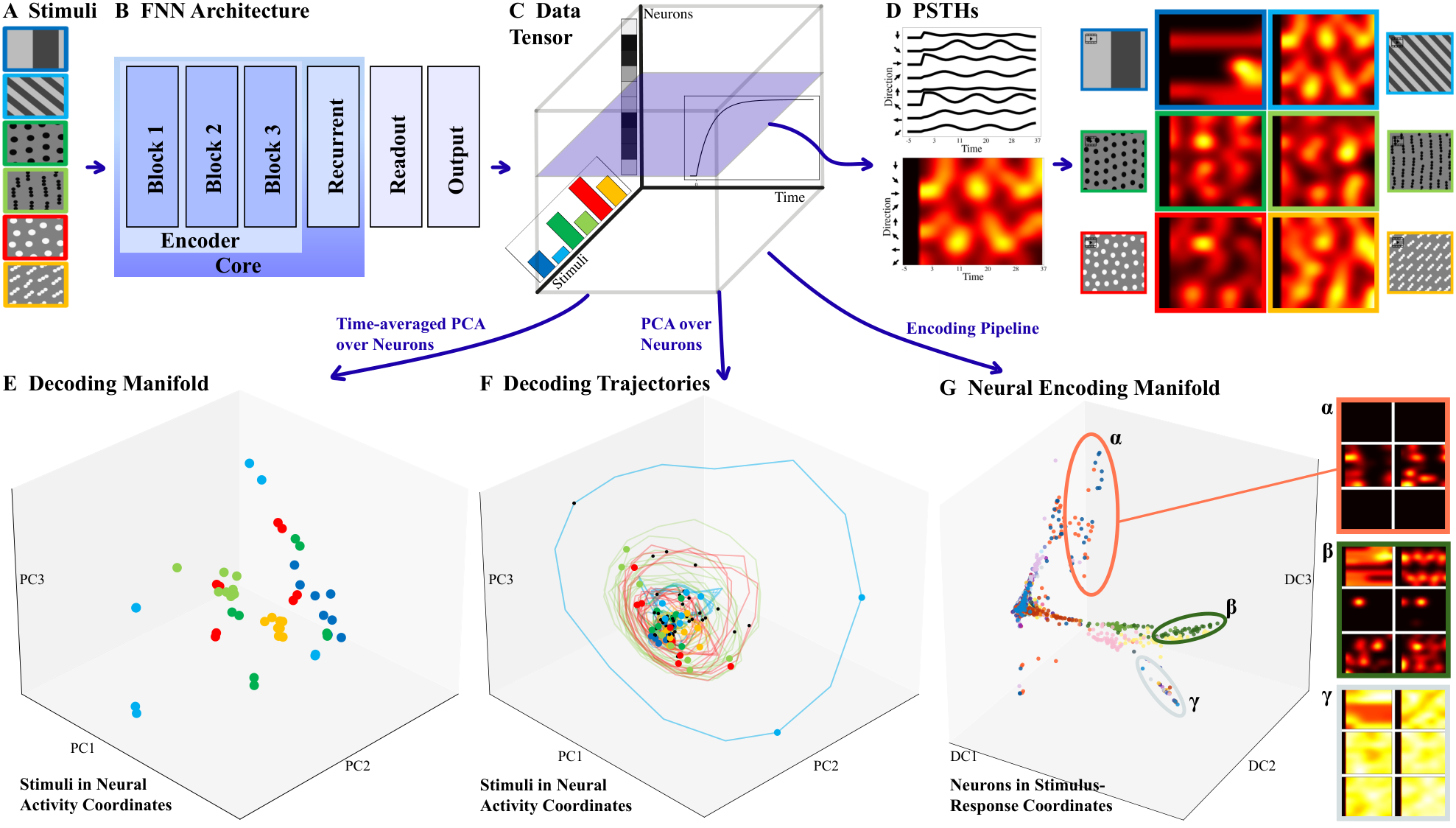
A model can predict brain activity without working like a brain. We look inside a neural foundation model to see how it processes visual information, finding both parallels with biology and differences hidden by prediction accuracy alone.

Read the paper
Visual stimuli pass through a neural foundation model, with its responses examined as decoding manifolds, trajectories, and encoding manifolds.
Figure 1 · View larger

More research on Google Scholar

Projects

Aver Early demo

A tool for checking whether changes to an AI system still meet the standards people expect of it. Start with examples, make your judgments, and see how a candidate model measures up.

Explore the demo
Aver: change the model behind your AI workflow without guessing.

Neural Trajectory Explorer

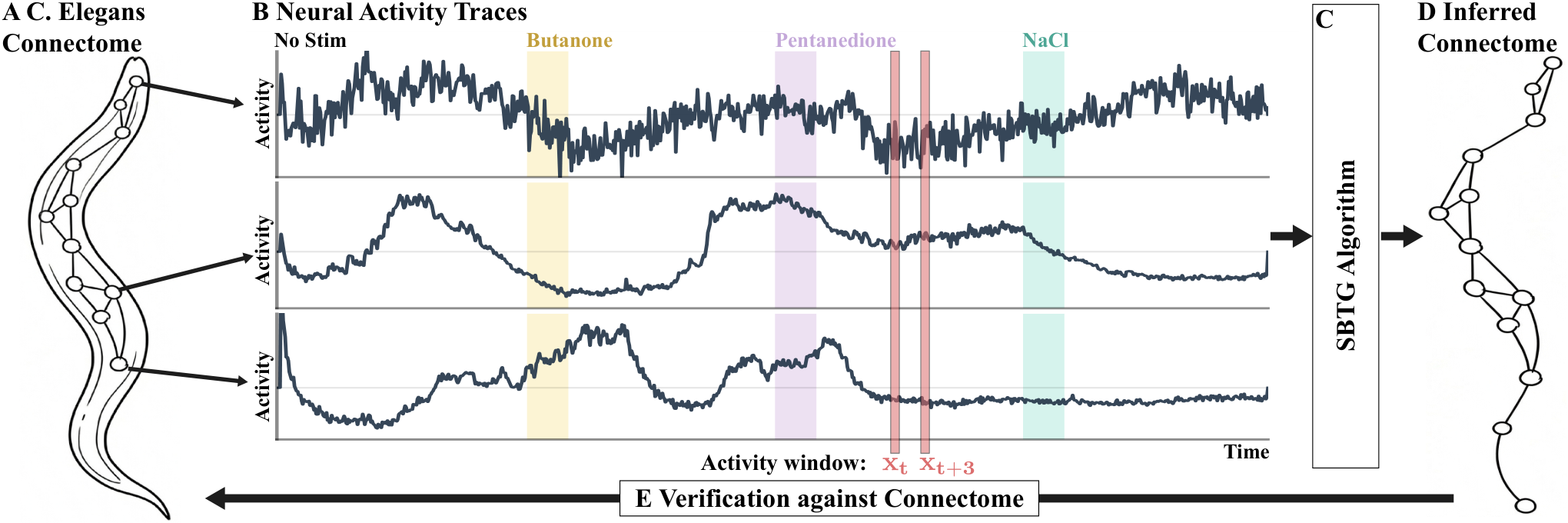
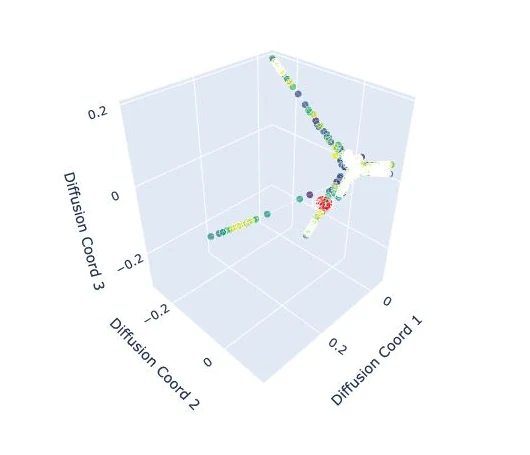
An interactive tool for exploring how groups of neurons respond over time, using visualizations of recorded brain activity.

View on GitHub
A three-dimensional retinal encoding manifold from the Neural Trajectory Explorer repository, with neurons shown as colored points.
A retinal encoding manifold

Writing

I write on Substack about technology, society, and the ideas I keep coming back to.

More writing on Substack